Associate Professor and Faculty Member, Tabriz Islamic Art University, Iran
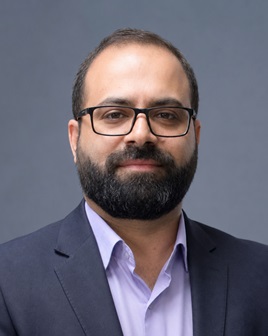
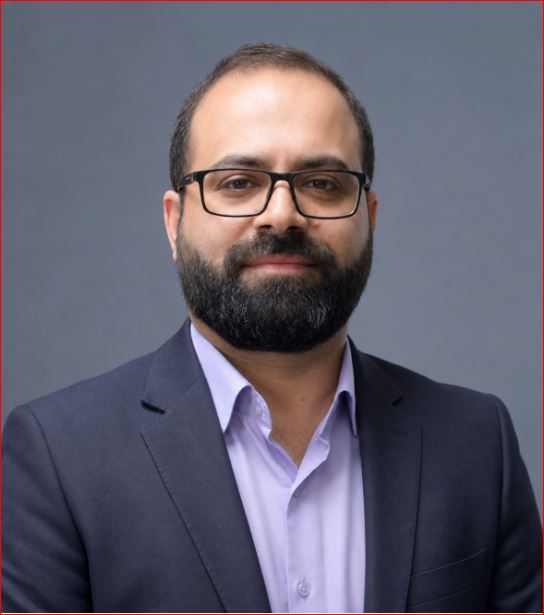
Dr. Mehdi Razani is an Associate Professor and faculty member at the Tabriz Islamic Art University, specializing in the conservation and restoration of cultural heritage. His academic and research activities focus primarily on the conservation and restoration of historic objects and sites, archaeometry, and the scientific investigation of historical materials and technologies. His research interests include the identification and characterization of historic materials, particularly inorganic and mineral-based materials, ceramics and pottery, glass, stone, mortars, and architectural finishes. He has also conducted research on traditional materials and technologies and on the application of scientific analytical methods and modern technologies to the study, conservation, documentation, and restoration of cultural heritage. Dr. Razani's academic work reflects an interdisciplinary approach that connects conservation and restoration with archaeology, materials science, and archaeometric studies. His research particularly addresses the characterization of historic materials, assessment of conservation treatments, and the development and application of appropriate scientific approaches for the preservation of cultural heritage. In addition to his academic and research activities, Dr. Razani has been involved in scholarly and editorial activities in the field of cultural heritage, conservation, restoration, and archaeometry. His editorial experience includes serving in academic and editorial capacities for specialized scholarly journals in these fields. He is also involved in promoting scientific communication and interdisciplinary research in the study and preservation of cultural heritage.

Dr. Mostafa Dehpahlavan
Associate Professor, Department of Archaeology, University of Tehran, Iran
Dr. Mostafa Dehpahlavan is an Associate Professor in the Department of Archaeology at the University of Tehran, Iran. His academic and research activities focus on archaeology, archaeological fieldwork, cultural heritage, and the study and interpretation of archaeological evidence and historical landscapes. His research includes archaeological investigations of different periods and regions of Iran, with particular attention to archaeological sites, material culture, settlement patterns, and the documentation and interpretation of archaeological remains. Dr. Dehpahlavan has contributed to archaeological research through field investigations, excavation projects, academic publications, and the supervision and guidance of archaeological research. His scholarly work also reflects an interdisciplinary interest in the relationship between archaeology, cultural heritage, scientific investigation, and heritage management. He has published research on subjects including archaeological landscapes, ancient routes, archaeological sites, material culture, and aspects of Iran's historical and cultural heritage. In addition to his academic responsibilities at the University of Tehran, Dr. Dehpahlavan has been involved in professional and editorial activities in the field of archaeology and cultural heritage. He has served in managerial capacities for gavermental orgization and has contributed to the development of archaeological research and scientific communication in Iran.
Professor of Mineralogy and Archaeological Science, Art University of Isfahan, Iran
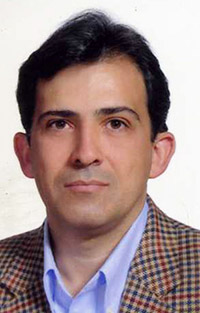
Dr. Mohammadamin Emami is a Professor of Mineralogy and Archaeological Science at the Art University of Isfahan, Iran. His academic and research activities focus on mineralogy, archaeometry, scientific investigation of historical materials, and object characterisation, mainly metal, pottery, glaze, glass, and slag from cultural heritage contexts.
His research interests include the application of instrumental analytical methods to the study of cultural heritage objects and the creative manufacturing technology behind. Dr. Emami has contributed to the development of interdisciplinary approaches that connect archaeology and conservation science with materials science and the natural sciences. He has also been involved in academic and professional activities related to the development of archaeometry education and research in Iran and has contributed to many scholarly publications in the fields of materials science, mineralogy, archaeometry, and cultural heritage.

Dr. Kamal Aldin Niknami is a Professor of Archaeology at the University of Tehran,
Iran. His research interests include archaeological methods and techniques, landscape archaeology, settlement patterns, spatial analysis, quantitative archaeology, and the application of GIS in archaeological research. His research has focused particularly on the archaeology of Iran, with significant attention to western Iran and the Central Zagros, including settlement systems, archaeological landscapes, and human–environment relationships. Dr. Niknami has contributed to research on prehistoric and historical archaeology in Iran. He holds a Ph.D. in Archaeological Methods from the University of Sheffield, United Kingdom, and has published numerous studies on Iranian archaeology and archaeological methodology.

Professor of Architecture and Conservation, School of Architecture, College of Fine Arts, University of Tehran, Iran
Dr. Mohammad Hasan Talebian is a Professor of Architecture and Conservation at the School of Architecture, College of Fine Arts, University of Tehran, Iran. His academic and professional activities focus on architectural conservation, historic buildings and urban fabrics, historic architecture, and cultural heritage management. A significant part of his research and professional work has been devoted to the conservation of Iran’s historic sites and architectural heritage and to the development of scientific approaches to heritage conservation. Dr. Talebian has also been involved in major heritage conservation projects in Iran, including Persepolis, Pasargadae, Chogha Zanbil, and Bam. His research interests include architectural conservation, cultural heritage management, conservation priorities, and sustainable approaches to heritage. He has contributed to academic research, teaching, and scholarly publications in architecture and cultural heritage.

Professor of Islamic Art and Traditional Arts, Faculty of Fine Arts, Atatürk University, Erzurum, Türkiye
Dr. Mehdi Mohammadzadeh is a Professor at the Faculty of Fine Arts, Atatürk University, Türkiye, His academic and research activities focus on Islamic art, traditional arts, miniature painting, calligraphy, book arts, ceramics, and the study of art in the Islamic world. A significant part of his research has addressed Islamic illustrated manuscripts, Persian and Ottoman painting, Ilkhanid and Safavid art, and the relationship between art, culture, and Islamic thought. He has also conducted research on ceramics, handicrafts, and comparative and interdisciplinary approaches to the artistic heritage of Iran and the Islamic world. Dr. Mohammadzadeh has published numerous scholarly studies in Islamic art, miniature painting, crafts, and cultural studies and has contributed to the development of Islamic art education and research in Iran and Türkiye.
Professor of Archaeology, Yarmouk University, Jordan
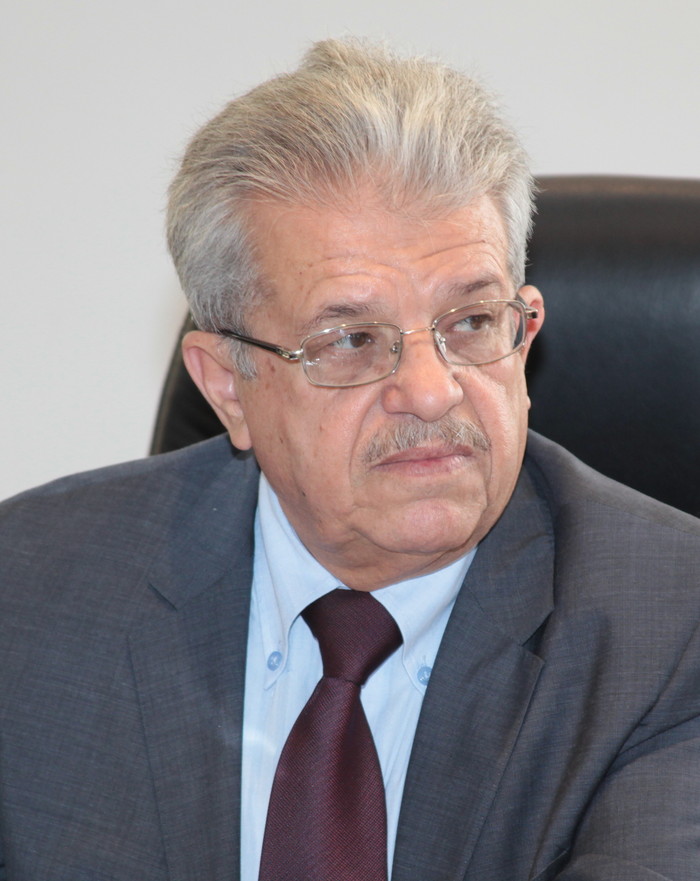
Dr. Zeidan A. Kafafi is Professor of Archaeology at Yarmouk University, Jordan, and former President of the university. He received his Ph.D. in Archaeology from the Freie Universität Berlin, Germany. His major research interests include Near Eastern archaeology, prehistory, the Neolithic period, and the archaeology of Jordan and the Levant. He has directed and contributed to major archaeological excavations, including projects at ‘Ain Ghazal, Abu Hamid, Deir Alla, and Tall Damiyah. Dr. Kafafi has also contributed extensively to archaeological education, cultural heritage development, museum projects, and academic leadership in Jordan. His long-standing academic career includes university administration, archaeological field research, supervision of graduate research, and editorial responsibilities for specialized archaeological journals.

Dr. Morteza Mirgholami
Professor of Urban Design and Urban Planning
Dr. Morteza Mirgholami is a professor and researcher specializing in urban design and urban planning. His academic and research activities focus on urban design, urban planning, sustainable urban development, urban regeneration, historical urban fabrics, and the improvement of urban spatial quality. A significant part of his research addresses urban neighborhoods, social sustainability, regeneration of historic urban areas, place identity and sense of place, and the role of social participation in urban development processes. His research interests also include creative cities, public spaces, urban resilience, and the relationships between the physical, social, and cultural dimensions of urban environments. Dr. Mirgholami has published numerous scholarly studies in architecture, urban design, and urban planning and has contributed to interdisciplinary approaches to contemporary urban studies.

Researcher in Prehistoric Archaeology, Institute for Prehistoric Archaeology, University of Cologne, Germany
Dr. Saman H. Guran is a Researcher at the Institute for Prehistoric Archaeology, University of Cologne, Germany. His academic and research activities focus on Palaeolithic archaeology, prehistoric archaeology, landscape archaeology, and human–environment interactions in the Zagros Mountains. A significant part of his research addresses cultural and environmental developments among Palaeolithic societies and the Middle–Upper Palaeolithic transition in the Zagros, particularly in the Kermanshah region of western Iran. He has contributed to international research projects on human evolution and Neanderthal populations in the Zagros and is a research partner in the ERC “Last Neanderthals” project. His publications include Palaeolithic Landscape of Iran and numerous studies on Palaeolithic settlement patterns, landscapes, and subsistence in Iran.

Associate Professor of Archaeology, Razi University, Kermanshah, Iran
Dr. Sajjad Alibaigi is an Associate Professor of Archaeology and a faculty member at Razi University, Kermanshah, Iran. He holds a Ph.D. in Archaeology from the University of Tehran. His academic and research activities focus on the prehistoric and historical archaeology of Iran, the archaeology of the Zagros, the Palaeolithic and Neolithic periods, settlement patterns, and the archaeology of western Iran. A significant part of his research has focused on archaeological investigations in Kermanshah Province and the Central Zagros, particularly prehistoric settlements, archaeological landscapes, and cultural interactions between the Iranian Plateau and Mesopotamia. Dr. Alibaigi has participated in numerous archaeological surveys and excavations and has contributed to scholarly publications in Iranian and international archaeological journals. His research contributes to a broader understanding of the prehistoric cultural development and archaeological heritage of the Zagros and Southwest Asia.

Associate Professor of Archaeology, Faculty of Humanities, Tarbiat Modares University, Iran
Dr. Saeed Amirhajloo is an Associate Professor of Archaeology at the Faculty of Humanities, Tarbiat Modares University, Iran. His academic and research activities focus on Islamic archaeology, landscape archaeology, Islamic cities, the architecture of Iran during the Islamic period, and Islamic pottery and ceramics. A significant part of his research has addressed settlement patterns, spatial organization, and the development of cities and settlements in Islamic-period Iran. He has participated in archaeological surveys and excavations in several regions of Iran, particularly in Kerman, Isfahan, and southeastern Iran. His research has contributed to the study of Islamic ceramics, historical architecture, archaeological landscapes, and cultural heritage, with publications in specialized archaeological and heritage journals. Dr. Amirhajloo is also actively involved in university teaching, archaeological research, and professional activities related to the archaeology and cultural heritage of Iran.

Associate Professor of Architectural Conservation and Revitalization, Art University of Isfahan, Iran
Dr. Behnam Pedram is an Associate Professor in the Department of Restoration and Revitalization of Historic Buildings and Sites, Faculty of Conservation and Restoration, Art University of Isfahan, Iran. He holds a Ph.D. in Restoration and Reconstruction of Historic Architectural Heritage from the Moscow Academy of Architecture. His academic and research activities focus on the revitalization of historic architecture, principles of conservation and restoration of historic buildings and sites, and the conservation of architectural decorations. His research interests include the conservation of rural architectural heritage, traditional approaches to architectural conservation, adaptive reuse of historic buildings, and the conservation of architectural ornamentation. Dr. Pedram has contributed to research and professional projects in the field of architectural heritage conservation and has published scholarly works on restoration, revitalization, and the conservation of historic architecture.

Dr. Omid Oudbashi
Senior Lecturer in Conservation Science, Department of Conservation, University of Gothenburg, Sweden
Dr. Omid Oudbashi is a Senior Lecturer in Conservation Science at the Department of Conservation, University of Gothenburg, Sweden, and a researcher specializing in conservation and archaeometry. He holds BSc, MA, and PhD degrees in Conservation of Cultural and Historical Properties from Art University of Isfahan, Iran. His research focuses on the conservation and corrosion of ancient metals, deterioration and conservation of stone artefacts and monuments, archaeometallurgy, ancient mining, and the study of inorganic materials from antiquity. His research also addresses the technological production and characterization of metals, glass, pigments, gemstones, and other archaeological materials through microscopic and chemical analytical methods. Dr. Oudbashi has extensive teaching experience in conservation and archaeometry, including material science, analytical methods, research methods, and metal conservation. His recent research includes archaeometallurgical investigations of archaeological metals and scientific studies of pigments and stone artefacts from Iranian heritage sites.

Associate Professor of Archaeology, Tabriz Islamic Arts University, Iran
Dr. Akbar Abedi is an Associate Professor of Archaeology and a faculty member at Tabriz Islamic Arts University, Iran. He holds a Ph.D. in Archaeology from the University of Tehran. His academic and research activities focus on the prehistoric archaeology of Iran, particularly northwestern Iran and the Caucasus, the Chalcolithic and Bronze Ages, and archaeometric studies. A significant part of his research has addressed archaeological surveys and excavations in northwestern Iran, including Kul Tepe in Jolfa and Dava Göz, as well as the study of the Dalma and Kura-Araxes cultural traditions. His research also includes archaeometry of mineral materials, provenance and microstructural analysis of obsidian and ancient pottery. Dr. Abedi has published numerous scholarly works in Iranian and international journals and has contributed to archaeological field projects and interdisciplinary research in archaeology and archaeometry.

Associate Professor of Archaeology, Department of Archaeology, Faculty of Architecture and Art, University of Kashan, Iran
Dr. Javad Hoseinzadeh Sadati is an Associate Professor of Archaeology at the Department of Archaeology, Faculty of Architecture and Art, University of Kashan, Iran. He holds a Ph.D. in Archaeology, specializing in Prehistoric Archaeology. His academic and research activities focus on the prehistoric archaeology of Iran, the Neolithic period, the emergence of complex societies, cultural heritage, and archaeological heritage management. A significant part of his professional and research activities has been devoted to the archaeological site of Sialk in Kashan and the conservation and management of its archaeological heritage. He has also contributed to research on Neolithic archaeology and interdisciplinary archaeological studies and has participated in archaeological fieldwork and excavations in Iran. His scholarly work includes studies of Neolithic sites and archaeological research in central Iran.

Associate Professor of Calligraphy and Traditional Arts, Art University of Isfahan, Iran
Dr. Farhad Khosravi Bizhaem is an Associate Professor and faculty member at the Art University of Isfahan, Iran. His academic and research activities focus on Iranian calligraphy and related arts, the art of the book, inscriptions, traditional Iranian arts, and the historical study of written arts. A significant part of his research has addressed calligraphy and inscriptions of the Safavid and Qajar periods, with particular attention to the visual and structural characteristics of Nastaliq inscriptions and the study of manuscripts and book arts. His research also includes calligraphic tools and materials and the relationship between calligraphy, traditional arts, and architectural decoration. Dr. Khosravi Bizhaem has contributed to scholarly publications and edited collections in the fields of calligraphy and illumination, including research on Iranian inscriptions, manuscript arts, and the history of calligraphy.

Associate Professor of Archaeology and Archaeological Geophysics, Shahid Beheshti University, Iran
Dr. Kourosh Mohammadkhani is an Associate Professor and faculty member in the Department of Archaeology at Shahid Beheshti University, Iran. He holds a Ph.D. in Archaeology from Université Lumière Lyon 2, France, and specializes in archaeology, archaeological geophysics, and applied geophysics in archaeological research. His research focuses on non-invasive archaeological investigations, geophysical and magnetic surveys, Iranian archaeology, and the study of archaeological sites and landscapes. A significant part of his research has involved archaeological geophysical investigations at sites including Pasargadae, Dahan-e Gholaman, Shahr-i Sokhta, and Siba–Kukherd. He has also contributed to joint Iranian-French archaeological projects and research on the archaeology of the Achaemenid period. His broader research interests include the application of geophysical methods, remote sensing, and digital documentation to archaeological research.

Dr. Dlshad Aziz Marif
Assistant Professor of Archaeology, Department of Archaeology, College of Humanities, University of Sulaimani, Iraq
Dr. Dlshad Aziz Marif is an Assistant Professor in the Department of Archaeology, College of Humanities, University of Sulaimani, Iraq. His academic and research activities focus on the archaeology of the Zagros and Mesopotamia, with particular attention to the Bronze and Iron Ages. His research interests include the archaeology and history of ancient societies in the Zagros, ancient settlements, regional cultures, archaeological evidence, and Mesopotamian cuneiform records. He has also conducted research on the archaeology and historical development of the Sulaimani, Garmian, and surrounding regions, examining the relationship between archaeological evidence and ancient written sources. His publications include studies of ancient settlements and place names around Sulaimani and the chronology and cultural history of the Garmian region based on archaeological evidence and ancient records.

Dr. Kozad Mohammed Ahmed
Assistant Professor of Archaeology and Assyriology, Department of Archaeology, College of Humanities, University of Sulaimani, Iraq
Dr. Kozad Mohammed Ahmed is an Assistant Professor in the Department of Archaeology, College of Humanities, University of Sulaimani, Iraq. His academic and research activities focus on the archaeology and history of Mesopotamia, Assyriology, Sumerian and Akkadian studies, and the ancient history and culture of Kurdistan. He holds a PhD from Leiden University, where his doctoral research examined the beginnings of ancient Kurdistan and its historical and cultural development. His research interests include the study of ancient societies and political formations in northern Mesopotamia and the Zagros, as well as the historical and cultural interactions between these regions. He has also published research on Sumerian and Akkadian cuneiform sources, ancient geographical names, and the political and cultural history of Mesopotamia. His scholarly work contributes to the interdisciplinary study of the archaeology and history of the ancient Near East.